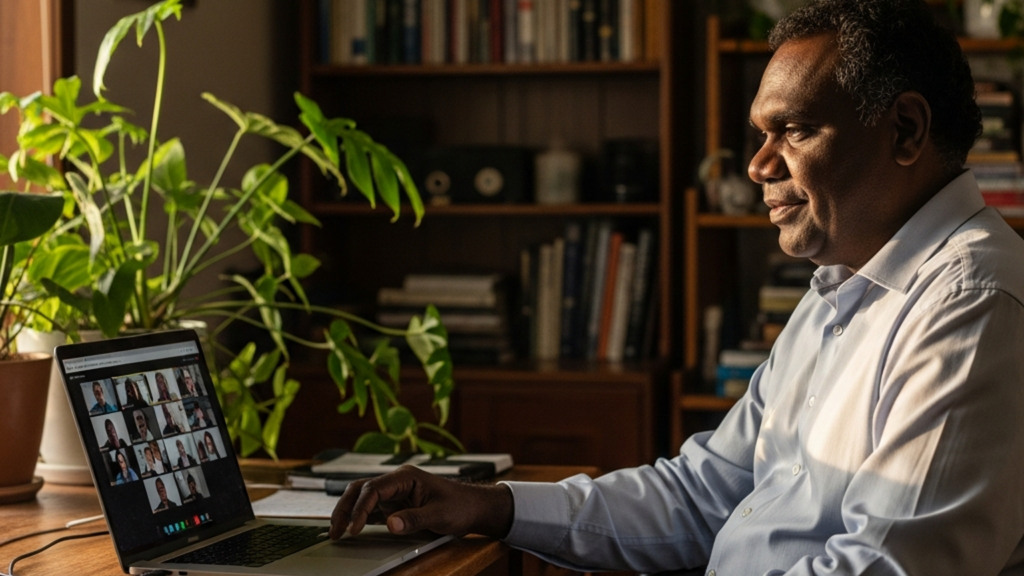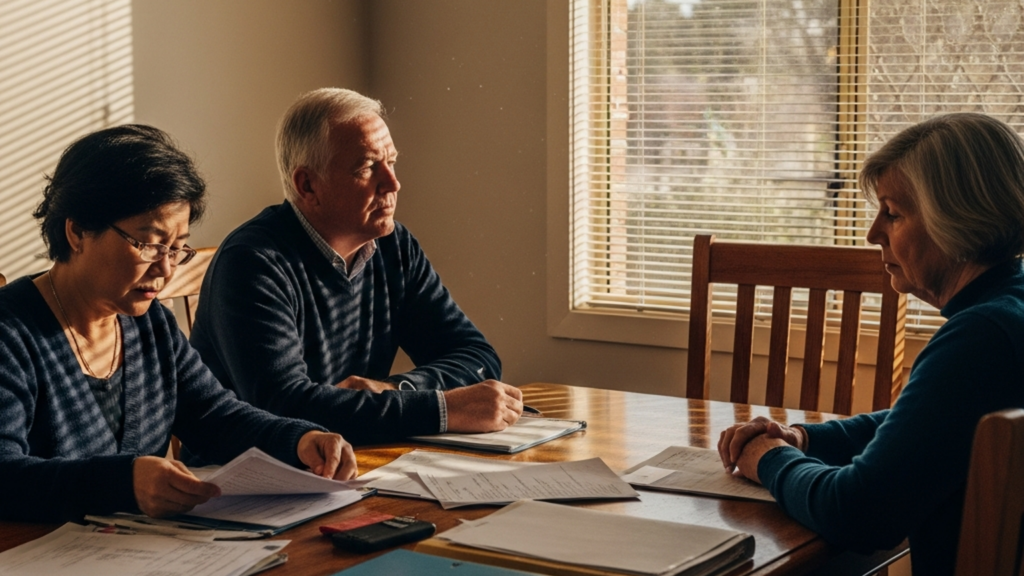



There are several steps that you can take to protect your online privacy following a separation in Australia:
- Change all passwords: It is important to change the passwords for all of your online accounts, including social media, email, and online banking. Consider using a password manager to generate and store strong, unique passwords for each of your accounts.
- Review your privacy settings: Go through your social media accounts and review the privacy settings to ensure that you are only sharing information with trusted individuals.
- Remove your ex from your accounts: If you shared any accounts with your ex, such as a joint email account or social media account, make sure to remove them as a user or change the passwords to prevent them from accessing your accounts.
- Be cautious about what you post online: Be mindful of the information that you share online, as it can be difficult to completely erase it once it is posted. Consider limiting the personal information that you share, especially during a sensitive time like a separation.
- Use security software: Consider using security software, such as antivirus software and a firewall, to protect your devices and accounts from hacking and cyber attacks.
By taking these steps, you can help protect your online privacy and ensure that your personal information remains secure following a separation.
Online Safety Act 2021 (Cth)
The purpose of the recently announced legislation is to enhance and broaden the existing online safety regulations in Australia.
The Act gives eSafety more authority to safeguard all Australians online, including children and adults. The Act allows online service providers to create new laws and regulations to prohibit content and stop illegal online activity. It also lays out clear and explicit requirements for them regarding eSafety.
Updates to the “image-based abuse scheme” that works to address the distribution and resharing of intimate photographs without the consent of people captured or videotaped are particularly pertinent to split spouses.
Be Careful About Social Media Post Separation
During and after a separation, it can be important to be mindful of your use of social media and to take steps to protect your privacy and well-being. Here are a few tips for using social media following a separation:
- Review your privacy settings: Go through your social media accounts and review the privacy settings to ensure that you are only sharing information with trusted individuals.
- Limit the personal information that you share: Be cautious about the personal information that you share online, as it can be difficult to completely erase it once it is posted. Consider limiting the personal information that you share, especially during a sensitive time like a separation.
- Avoid using social media as a means of communication with your ex: It is generally a good idea to avoid using social media as a means of communication with your ex, as it can be easy for misunderstandings or conflicts to arise. If you need to communicate with your ex, it may be better to use a more private method of communication, such as email or phone.
- Seek support from trusted friends and family: If you are struggling with the emotional aftermath of a separation, it can be helpful to seek support from trusted friends and family members. Consider reaching out to them for help and support, or consider joining a support group or seeking the help of a therapist.
By following these tips, you can help protect your privacy and well-being when using social media following a separation.
What Next Setp
We have a team of family lawyers and mediators who can assist you in Canberra, Perth, Adelaide, Melbourne, Sydney, and all other locations in Australia. Get legal advice from us today!