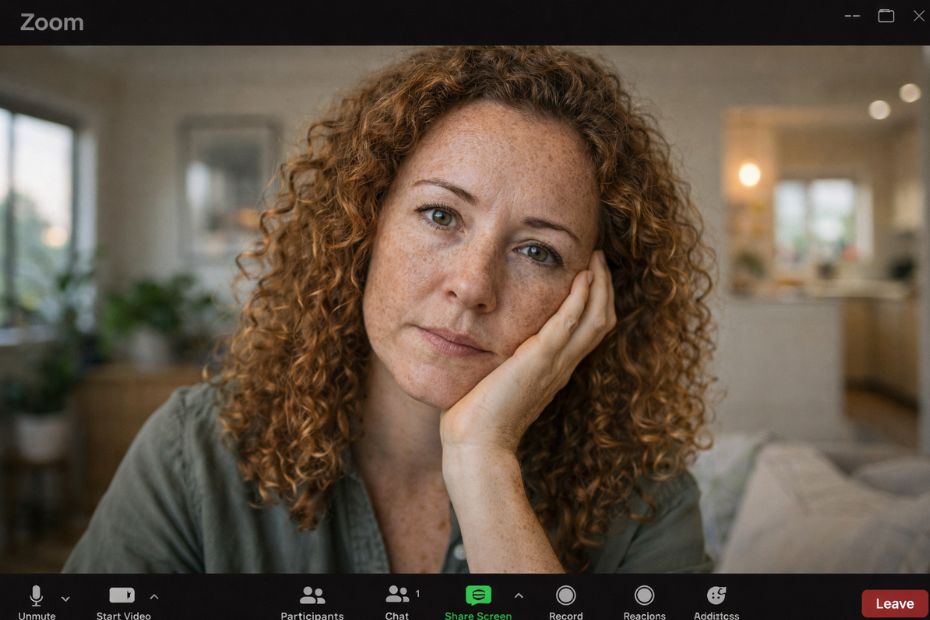



In a country where nearly 7.3 million square kilometres separate families, business partners, and neighbours, geography has long been a barrier to resolving disputes efficiently. Online mediation has changed that. What began as a necessity during the pandemic has become a permanent and preferred feature of Australia’s dispute resolution landscape, with the Federal Circuit and Family Court of Australia now conducting conciliation conferences and dispute resolution conferences electronically by default. Whether you are a separating parent in regional Queensland, an employer managing a workplace conflict across state lines, or business partners who simply cannot be in the same room, online mediation offers a practical, effective, and increasingly well-established pathway to resolution.
At Mediations Australia, our nationally accredited mediators conduct virtual sessions every day, helping Australians across the country resolve family, workplace, and commercial disputes without the delays, travel costs, and logistical hurdles of traditional in-person processes.
What Is Online Mediation?
Online mediation follows the same fundamental principles as face-to-face mediation. A qualified, impartial mediator facilitates structured discussions between disputing parties to help them reach a mutually acceptable agreement. The critical difference is the medium: rather than gathering in a physical room, participants connect through secure video conferencing technology from wherever they are — their home, their office, or even interstate.
The process retains all the hallmarks that make mediation effective. It remains voluntary, confidential, and party-driven. The mediator does not impose a decision but instead guides communication, helps identify underlying interests, and supports the parties in generating options for resolution. The legal standing of agreements reached through online mediation is identical to those reached in person. A mediated agreement can be formalised through consent orders or a binding financial agreement and will carry the same enforceability as any agreement reached at a physical mediation table.
It is important to distinguish professional online mediation — facilitated by an accredited mediator via live video conferencing — from automated online dispute resolution platforms that attempt to resolve matters through algorithms or asynchronous messaging. While automated platforms may suit very simple consumer disputes, the complexity of family law, workplace, and commercial matters requires the human insight, emotional intelligence, and professional judgment that only a skilled mediator can provide. This is a view shared by the Australian Dispute Resolution Advisory Council (ADRAC), which has consistently recognised the irreplaceable value of human facilitation in meaningful dispute resolution.
How a Virtual Mediation Session Works
If you have never participated in online mediation, the process may feel unfamiliar, but it closely mirrors the structure of in-person sessions. Understanding each stage can help ease any apprehension and allow you to prepare for mediation with confidence.
Pre-Mediation Intake and Assessment
Before the virtual session takes place, the mediator conducts individual intake sessions with each party. These are typically held by phone or video call and serve several important purposes. The mediator explains the mediation process, assesses whether mediation is appropriate for the particular dispute, identifies any safety concerns (particularly in family law matters involving family violence), and begins to understand each party’s key issues and goals. This stage is identical whether the mediation will ultimately be conducted online or in person.
Technology Setup and Testing
A brief technology check is usually arranged before the session to ensure each participant has a stable internet connection, a functioning camera and microphone, and familiarity with the video conferencing platform. Mediators will typically provide clear instructions, including how to join the session, how breakout rooms work, and how to use features such as screen sharing for reviewing documents during the session. Most platforms used for professional mediation, including Zoom, Microsoft Teams, and Webex, offer end-to-end encryption and password-protected meeting rooms to maintain confidentiality.
Opening the Session
The mediator opens the session by welcoming the parties, confirming confidentiality obligations, and outlining the ground rules for respectful communication. This mirrors the opening of any in-person mediation. The mediator will typically ask each party to share their perspective on the dispute without interruption, establishing the issues that need to be addressed.
Joint Discussion and Private Sessions
Online mediation uses the same combination of joint sessions and private caucuses (also known as breakout rooms or shuttle mediation) that characterise effective in-person processes. In a joint session, both parties are present in the main virtual room. When the mediator needs to speak with each party privately — to explore interests, reality-test positions, or develop proposals — they move one party into a virtual waiting room or breakout room. This is functionally identical to the shuttle mediation process where parties are physically separated into different rooms, and many participants actually prefer the digital version because the separation feels more complete and comfortable, particularly in high-conflict situations.
Reaching Agreement and Documentation
When the parties reach agreement on some or all of the issues in dispute, the mediator helps document the terms during the session. This can be done through screen sharing, allowing both parties to review the draft agreement in real time. Once finalised, the agreement can be signed electronically or forwarded to each party’s legal representative for review before signing. Agreements reached through online mediation carry the same legal weight as those reached in person and can be formalised into legally binding agreements through the appropriate legal channels.
Why Online Mediation Is Effective
Some people initially worry that the absence of physical presence might diminish the quality or effectiveness of mediation. The evidence, however, tells a different story. Research and practice data from Australia and internationally demonstrate that online mediation achieves comparable settlement rates and satisfaction levels to face-to-face processes, while offering several distinct advantages.
Accessibility Across Australia’s Vast Geography
Australia’s population is spread across an enormous landmass, with significant numbers of people living in regional and remote areas far from major centres where mediation services are traditionally concentrated. Online mediation eliminates geographic barriers entirely. A parent in Cairns can mediate with their former partner in Hobart. An employee in a remote mining community can participate in workplace mediation without taking days off for travel. This is particularly significant given that the Family Law Act 1975 (Cth) requires separating parents to make a genuine effort at family dispute resolution before filing parenting applications with the court. Online mediation ensures this obligation can be met regardless of where the parties live.
Reduced Cost for Participants
The cost savings of online mediation are substantial and immediate. Parties avoid travel expenses, accommodation costs for interstate matters, time off work for travel days, and the hire fees for physical meeting rooms. When mediation already costs a fraction of litigation, reducing the ancillary expenses further strengthens the financial case for resolving disputes outside the courtroom. For property settlement disputes where the net asset pool is modest, these savings can be the difference between pursuing resolution and simply giving up — an outcome that disproportionately affects financially vulnerable parties.
Greater Scheduling Flexibility
Coordinating diaries for an in-person mediation involving two or more parties, their legal representatives, and the mediator can take weeks. Online mediation dramatically simplifies scheduling. Sessions can be arranged more quickly, held outside traditional business hours, and broken into shorter blocks across multiple days if that better suits the parties. This flexibility is particularly valuable for working parents, shift workers, and people with caring responsibilities. It also means that disputes can be addressed sooner, reducing the period of uncertainty and stress that often accompanies unresolved conflict.
Comfort and Emotional Safety
Participating from a familiar environment can reduce the anxiety and emotional intensity that many people experience in dispute resolution settings. For parties in family law disputes, particularly those involving a history of controlling behaviour or power imbalance, the physical distance provided by online mediation can create a greater sense of safety and autonomy. Parties can have support people nearby, take a moment to collect themselves without feeling observed, and generally feel more in control of their own space. The Federal Circuit and Family Court of Australia has recognised these benefits, noting in its practice directions that dispute resolution conferences in both family law and general federal law matters will be conducted electronically unless the registrar considers in-person attendance necessary for effective mediation.
Maintained Confidentiality
Confidentiality is a cornerstone of all mediation, and online sessions maintain this protection. Secure, encrypted video platforms prevent unauthorised access. The mediator controls who enters the virtual meeting room. There is no risk of accidentally encountering the other party in a waiting room or corridor — a concern that can be significant in family violence matters. Documents shared during the session remain subject to the same without-prejudice protections that apply to in-person mediation.
Types of Disputes Well Suited to Online Mediation
Online mediation is effective across virtually every category of dispute that benefits from traditional mediation. In family law, it is routinely used for parenting arrangements, property settlement negotiations, child support discussions, and spousal maintenance agreements. The Federal Circuit and Family Court’s default to electronic dispute resolution conferences confirms its suitability for even the most sensitive family matters.
In the workplace, online mediation is particularly well suited to disputes involving parties in different offices, states, or working arrangements. Workplace mediators regularly handle unfair dismissal disputes, bullying complaints, and restructuring disagreements via video, often achieving resolution in a single session. The Fair Work Commission already conducts the majority of its unfair dismissal conciliations online, with settlement rates consistently above 75 per cent.
Commercial and business disputes, including partnership disagreements, contract disputes, and estate mediation matters, also translate seamlessly to the online format, particularly where parties are represented by legal advisers who can participate from their own offices.
When Online Mediation May Not Be Suitable
While online mediation is appropriate for the vast majority of disputes, there are circumstances where it may not be the best option. These include situations where one or both parties do not have reliable access to technology or a private space from which to participate, matters involving serious and ongoing family violence where the safety of a controlled, in-person environment with security measures is necessary, and disputes where parties have significant cognitive impairments that make engagement with technology difficult.
In family law matters involving family violence, mediators have a duty to conduct thorough risk assessments before proceeding with any form of mediation. If you are experiencing family violence, it is important to seek support. You can contact 1800RESPECT on 1800 737 732 or Lifeline on 13 11 14 for confidential advice. Legal Aid services in each state and territory can also provide guidance on your options and safety planning.
A skilled mediator will always assess the suitability of online mediation during the intake process and will recommend alternative approaches, including in-person sessions, shuttle mediation, or a referral to more appropriate services, where online participation would compromise safety or fairness.
The Australian Courts’ Embrace of Virtual Dispute Resolution
The shift toward online mediation is not simply a private sector trend. Australia’s court system has formally embedded virtual dispute resolution into its processes. The Federal Circuit and Family Court of Australia, which handles the vast majority of family law matters nationally, now defaults to electronic conciliation and dispute resolution conferences. According to the Court’s case management practice direction, parties are expected to personally attend mediation or family dispute resolution, with electronic attendance expressly included as a valid mode of participation.
The Federal Court of Australia similarly offers mediation for commercial, intellectual property, industrial, consumer, and human rights matters, with virtual participation now standard. State tribunals including NCAT in New South Wales, VCAT in Victoria, and QCAT in Queensland have all integrated online hearing and mediation capabilities into their processes.
The Federal Court’s 2022–23 Annual Report noted a 19 per cent increase in matters referred to mediation compared with the previous reporting period. This growth, combined with the permanent adoption of virtual hearing infrastructure, signals that online dispute resolution is not a temporary measure but a fundamental component of Australia’s justice system going forward.
How to Prepare for Your Online Mediation Session
Effective preparation is the single most important factor in achieving a good outcome from any mediation, whether online or in person. For virtual sessions, there are a few additional considerations alongside the standard preparation steps.
Secure your technology early. Test your internet connection, camera, and microphone well before the session. Use a laptop or desktop computer rather than a phone where possible, as the larger screen makes it easier to engage with documents and read non-verbal cues. Ensure your device is fully charged or plugged in.
Choose a private, quiet location. Select a room where you will not be interrupted and where your conversation cannot be overheard. Confidentiality is a shared responsibility, and participating from a public space such as a café undermines this. If privacy at home is a concern, discuss alternatives with the mediator in advance.
Prepare your documents digitally. Have relevant financial documents, correspondence, parenting proposals, or workplace records saved and ready to share electronically if needed. Organising these in advance prevents delays during the session.
Minimise distractions. Close unnecessary browser tabs and applications, silence your phone, and let household members know you will be unavailable. Treating the session with the same focus and formality as an in-person meeting contributes to a more productive process.
Consider legal advice beforehand. While mediation does not require legal representation, understanding your rights and entitlements before the session helps you make informed decisions. How long mediation takes and what it involves can vary depending on the complexity of your dispute, so professional guidance can help set realistic expectations.
Taking the Next Step
Online mediation has moved well beyond a pandemic-era workaround. It is now a mature, court-endorsed, and highly effective method of resolving disputes that offers genuine advantages in accessibility, cost, flexibility, and emotional safety. For Australians navigating family separation, workplace conflict, commercial disagreements, or any other dispute, virtual mediation provides a practical path to resolution without the delays and expense of litigation.
At Mediations Australia, our team of nationally accredited mediators and family lawyers conduct online mediation sessions for clients across every state and territory. Whether you are in a capital city or a regional community, we can help you resolve your dispute faster, more affordably, and with less stress than going to court. Contact us today for a free consultation to discuss how online mediation can work for your situation.
This article is for general information purposes only and does not constitute legal advice. For personalised guidance regarding your specific situation, please consult a qualified legal professional or accredited mediator.